

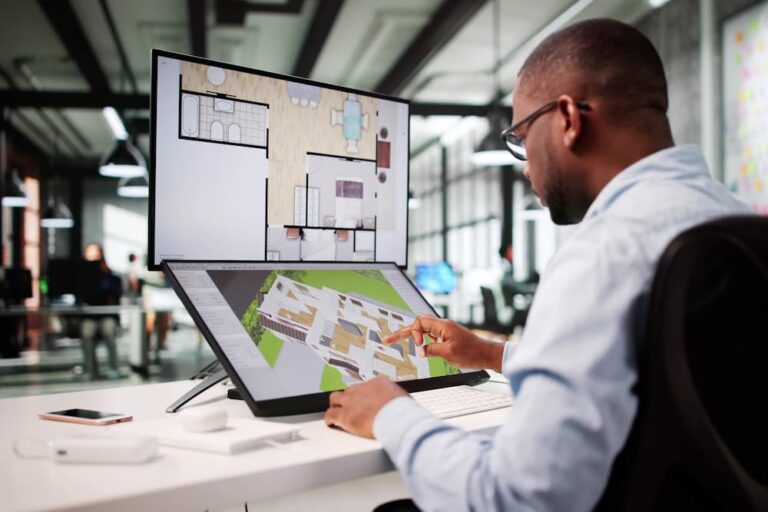

Designing your kitchen online can feel exciting and empowering. With modern visualizer tools, you can experiment with layouts, colors, cabinets, and finishes in a way that almost feels tangible. Many homeowners finish their virtual design feeling confident, like they already know exactly what they want.
But a digital design is really just the starting point. Turning that vision into a finished kitchen involves several important steps that go well beyond what any visualizer can show. Understanding what comes next helps ensure your project moves smoothly from screen to reality.
I designed my kitchen with the visualizer – what are the next steps to make it happen?
 Once your virtual design is complete, the work of turning that concept into a detailed, buildable plan begins. There are a few key stages to work through before a single cabinet gets installed.
1. Review your design with a professional
A visualizer helps you explore ideas, but it cannot account for every real-world detail. Sitting down with an expert early on is one of the most valuable things you can do.
They will look carefully at things like:
- Cabinet measurements and alignment
- Appliance placement and cabinet spacing
- Storage needs and space optimization
- Electrical and plumbing requirements
- Overall workflow and ergonomics
This focused process catches potential issues before they become expensive problems on site.
2. Take accurate measurements
Online design tools rely on estimated dimensions. Real kitchens demand precise ones.
A professional visit will typically cover:
- Wall, ceiling, and opening dimensions
- Surface evenness and any structural irregularities
- Appliance specifications and clearance needs
- Integrity of existing cabinetry, particularly with refacing
Even minor discrepancies can affect how cabinets and countertops fit together, so getting this right is critical before anything is ordered.
3. Finalize the layout and functionality
Your original design may need some refinement once real-world constraints are factored in. This is completely normal and usually results in a stronger outcome than the original concept.
Common adjustments at this stage include:
- Adjusting appliance positioning for better workflow
- Resizing cabinets to suit the actual footprint
- Adding storage solutions that were not visible in the visualizer
- Improving the triangle between the sink, fridge, and cooktop
The goal is to fine-tune the design so it performs just as well as it looks.
4. Create a detailed project plan
Once the layout is confirmed, your kitchen professional should put together a plan that covers all the practical details.
This document typically outlines:
- Materials and finishes
- Layout of cabinetry and appliances
- A realistic construction timeline
- A budget breakdown
- The sequence of installation
Think of it as turning your creative vision into a clear, workable roadmap.
Will my kitchen look exactly like the visualizer image?
Your finished kitchen will closely resemble your design in the ways that matter most, but there are a few natural differences worth understanding before work begins.
1. Lighting changes everything
Visualizer tools typically use ideal, neutral lighting. In a real home, natural light, artificial fixtures, and the direction your windows face will all influence how colors and materials appear.
For example:
- White cabinets can read warm or cool depending on the time of day
- Countertops may reflect light in ways that differ from a render
- Paint colors often shift subtly from morning to evening
What this means in practice
Testing paint swatches and material samples in your actual kitchen before committing is always worthwhile, especially for anything light or neutral in tone.
2. Materials have natural variation
Digital renderings show a single, idealized version of a material. Especially with stone and wood, a digital rendering will be for visualization purposes only, not identical.
This means:
- Countertop slabs have unique veining and patterns
- Wood grain varies from a flat image to the physical material
- Finishes can have minor tonal differences
These variations add character and depth to a finished kitchen, and they are part of what brings a beautiful aesthetic together.
3. Scale and perception can differ
Even with accurate measurements, a space can feel different in person than on screen. A layout that looks open and airy in the visualizer might feel more compact when you are standing inside it, and the reverse is also true.
Creating a design in collaboration with a professional or visiting a showroom, where possible, helps bridge that gap before construction begins.
4. Installation quality shapes the final look
The finer details of how a kitchen comes together, including cabinet alignment, trim work, hardware positioning, and edge finishing, all influence the overall impression. A skilled team ensures these elements come together in a way that reflects your design faithfully.
How do I pick the exact materials I saw on screen?
 Choosing real materials is one of the most enjoyable parts of the process, but it requires a bit more effort than clicking through digital swatches.
1. Schedule an in-home consultation or visit a showroom
Seeing and touching materials before committing to them makes a real difference.
A showroom visit gives you the chance to assess:
- Color and tone
- Surface texture and how it feels underhand
- Build quality and perceived durability
An in-home consultation provides:
- The ability to see colors and styles in your true and actual lighting
The ability to envision your new kitchen in your real-life space
What looks perfect on screen can feel quite different in person, and sometimes the real thing is even more impressive.
2. Compare samples
Narrow down choices to a shortlist, isolate samples in your kitchen space, and live with them for a few days.
This is especially worth doing for:
- Door and cabinet colors
- Countertop materials
- Cabinet door style samples
- Flooring options
The way your home’s light interacts with these materials will tell you far more than any visualizer can.
3. Ask about availability and lead times
Some materials shown in design tools may have long lead times or limited availability. Finding this out early keeps the project on track.
Your kitchen professional can help you:
- Source comparable alternatives if needed
- Compare costs across similar options
- Choose materials that align with your project timeline
A note on budget
Lead times and material costs can vary significantly. Building some flexibility into your budget for this stage is always a sensible move.
4. Balance aesthetics with practicality
A kitchen is a working space, and the materials you choose have to hold up to daily use. Before finalizing anything, consider:
- Durability for high-traffic surfaces like worktops and floors
- How easy each material is to clean and maintain
- Resistance to heat, moisture, and staining
Getting this balance right will pay off every single day.
What if the design I created online needs adjustments in real life?
 At times, designs evolve once a project moves into the real world. Confirming and, at times, tweaking your selections is a natural part of the process, not a setback. Understanding this from the start makes the whole experience smoother and less stressful.
1. Structural limitations may require changes
Walls, plumbing lines, and electrical systems do not always cooperate with a perfect design. A few common examples:
- A wall you hoped to remove may be load-bearing
- Wiring may exist in a soffit you hoped to remove
- Electrical runs may need to be rerouted to accommodate new appliances
These are simply the realities of working within an existing building, and experienced professionals know how to work around them effectively.
2. Budget considerations may influence decisions
The materials or scope you envisioned can sometimes come in over budget once actual quotes are gathered.
When that happens, your options typically include:
- Choosing alternative materials with a similar look
- Simplifying certain features or details
- Phasing some elements of the project for a later date
A good contractor will help you find the right balance without losing the overall feel of the design.
3. Functionality improvements often emerge
Experienced professionals often spot opportunities to make a kitchen work even better than the original concept suggested.
This might mean:
- Adding a pull-out pantry that was not in the original plan
- Adjusting island dimensions to improve circulation
- Adding pull-out drawers instead of shelves to certain cabinets
- Improving accessibility features for long-term usability
These kinds of refinements can make a genuine difference to everyday life in the kitchen.
4. Flexibility leads to better results
Homeowners who stay open to changes along the way almost always end up happiest with their finished kitchens. The aim is to create a space that feels right, works well, and reflects your taste. A willingness to adapt as the project develops is one of the best things you can bring to a remodel.
If you’re still exploring your options, it helps to understand which kitchen design apps are actually worth using, how AR and VR are shaping the way homeowners approach remodeling from the very beginning, and what makes a visualizer tool truly useful when planning your layout.
How do I move from a virtual kitchen design to a finished space I can trust?
Kitchen Magic combines nearly five decades of hands-on experience with modern design tools to help homeowners turn digital ideas into real, functional kitchens. Our team works closely with you to refine your layout, guide material selection, and make sure every detail is ready for installation before work begins.
From your first design concept to the final touches, we focus on making the process clear, practical, and tailored to your space. If you’re ready to take your kitchen from a visualizer to a finished result, reach out today and start planning with confidence. Visit kitchenmagic.com and get started!